Natural Wonders in Cornwall: The 2026 Solar Eclipse and Beyond
Where to Watch the Solar Eclipse in Cornwall
Cornwall has long been appreciated for its dramatic coastline, but beyond its golden beaches and rugged cliffs lies a stage for some of nature’s most remarkable performances. From rare celestial events to coastal wonders, explore the most extraordinary natural wonders and experience the county’s beauty in a new way.
Solar Eclipse 2026
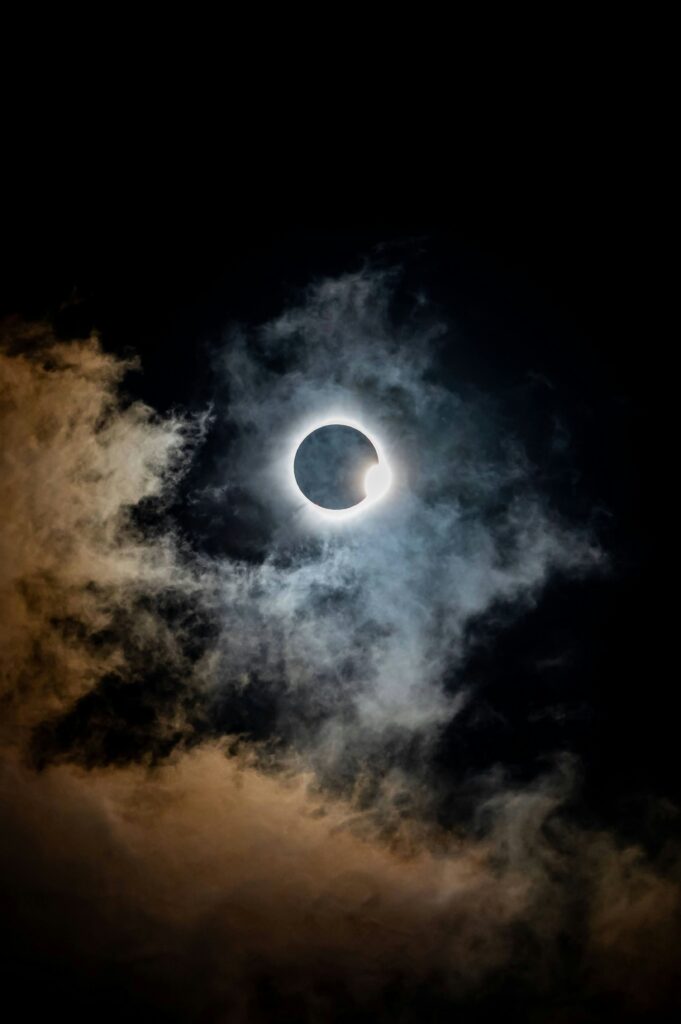
On Wednesday 12 August 2026, Cornwall will take centre stage as one of the best places in the UK to witness a remarkable astronomical event. A partial solar eclipse will see around 95% of the Sun covered by the Moon, making Cornwall one of the country’s prime viewing locations.
Many locals will remember the unforgettable eclipse of 11 August 1999, when the Moon’s shadow swept across the county, briefly transforming daytime into an extraordinary twilight. Twenty-seven years (and one day) later… Cornwall is once again preparing for one of nature’s most extraordinary spectacles.
Timings:
The eclipse will begin at approximately 6:18pm, reach its maximum at around 7:15pm with 1-2 minutes of 95-96% darkness, before ending shortly after 8:10pm.
But the performance isn’t over. Every August, the Perseid meteor shower returns to grace our skies, treating those who look up to one of the year’s most spectacular displays of shooting stars, and this year it coincides with the solar eclipse. Two remarkable celestial wonders in a single day, making Cornwall an unforgettable place to experience nature’s greatest show.
Please note the safety precautions to take whilst watching the Solar Eclipse.
Where to Watch the Solar Eclipse in Cornwall
1. The Lizard
The UK’s most southerly point will experience around 95.6% eclipse coverage, placing it among the country’s top viewing locations. Its wide, uninterrupted views across the horizon make The Lizard an exceptional spot to watch.
2. Land’s End
Land’s End will experience an impressive 95.8% eclipse coverage, making it one of the very best places in the UK to witness the deepest eclipse since 1999, offering an unforgettable setting to watch this rare celestial take place.
3. Falmouth
Surrounded by open water and scenic coastal viewpoints, Falmouth is another fantastic place to witness the eclipse. Head to Pendennis Point or the seafront for clear views of the western sky as the event reaches its peak.

Stargazing
The magic doesn’t end when the sun disappears below the horizon. Thanks to its exceptionally low levels of light pollution, Cornwall is home to some of the darkest skies in the country, making it one of the UK’s finest destinations for stargazing. With two International Dark Sky Parks and countless coastal viewpoints, it’s not unusual to spot the Milky Way, distant planets, or thousands of glittering stars on a clear night.
Looking for the best places to go? Discover our guide to stargazing in Cornwall, where we’ve rounded up the county’s top dark sky locations and everything you need to plan your perfect evening under the stars.
Northern Lights (The Aurora Borealis)
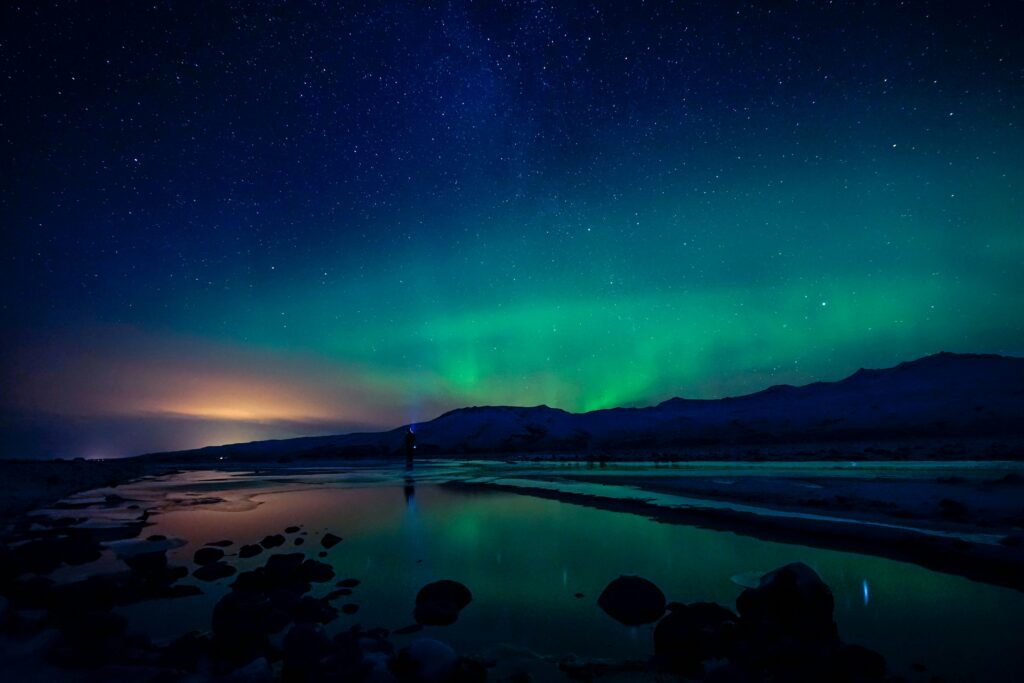
The Aurora Borealis, better known as the Northern Lights, may be more commonly associated with Iceland or Norway, but on rare occasions, this spectacular display can also be seen from Cornwall.
Ribbons of green, pink and even purple light can dance across the night sky, creating a truly unforgettable spectacle. While sightings can never be guaranteed, heading to a dark coastal location on a clear night gives you the best chance of catching nature’s most mesmerising light show.
If you’re lucky enough to witness the Aurora Borealis from Cornwall, you’ll experience a moment that few ever do. Some of the world’s most extraordinary natural wonders can be found much closer to home than you might think.

Bioluminescence
As darkness falls, Cornwall’s coastline can reveal one of earth’s most magical displays. On the right summer evenings, tiny marine plankton create an enchanting blue glow as the water is disturbed, causing the sea to shimmer with light.
Read our complete guide to bioluminescence in Cornwall, featuring the top spots to find this rare natural wonder in Cornwall.

Sea Glass Hunting
Among Cornwall’s many coastal treasures, sea glass is one of the most rewarding to discover. Shaped by decades of rolling tides, these smooth, frosted fragments can be found scattered along the shoreline, waiting to be uncovered by those willing to slow down and look a little closer.
Discover the best beaches to find seaglass in Cornwall and find everything you need to start your own collection of sea glass.

Storm Watching
When the weather turns, Cornwall reveals a different kind of beauty. Towering waves and the raw power of the Atlantic combine to create one of the UK’s most exhilarating spectacles, making storm watching a must for lovers of wild coastal scenery.
Visiting Cornwall in the winter? Read our guide to storm watching in Cornwall, including the best viewpoints and safety tips.
stay central to explore these Natural Wonders in cornwall?
Perfectly positioned in the heart of Cornwall, we’re within easy reach of many of the county’s most spectacular natural wonders.
Whether you’re visiting for the unforgettable eclipse, a weekend of storm watching or a to discover some sea glass, you’ll have the ideal base to explore by day and return to comfort, great food and exceptional hospitality by night.
Frequently Asked Questions
When is the best time of year to experience Cornwall’s natural phenomena?
Every season offers something different. Summer brings bioluminescent seas and the Perseid meteor shower – and, in 2026, a deep solar eclipse on 12 August – while autumn and winter bring dramatic storms, dark skies for stargazing, and the chance of the Northern Lights during periods of heightened solar activity.
Where are the best places in Cornwall to experience these natural wonders?
The best spot depends on the phenomenon. Land’s End and The Lizard suit the eclipse and dramatic coastal weather, the sheltered beaches around St Ives are good for bioluminescence, and the dark skies of Bodmin Moor are ideal for stargazing and meteor showers. Each of our individual guides points you to the best locations for that experience.
Can you see the 2026 solar eclipse from Cornwall?
Yes – Cornwall has one of the best views in the UK. Around 96% of the sun will be covered, the deepest eclipse visible from Britain since 1999. It begins in the early evening of 12 August 2026, around 6pm, with the far west around Land’s End and The Lizard seeing the most coverage.

Hollie Davies is part of the marketing team at Penventon Park Hotel. She loves all things seasonal, from crisp autumn mornings to twinkling Christmas nights. She never skips her morning coffee and finds magic in the little things that stick with you, all too well.